
Documenting the Science of Natural Vitality & Integrative Wellness. – (Nature’s Ledger UK is a trading name of Citrus Reports).
February 2026.
February 2026.
The Bioflavonoid Frontier: Why British Wellness is Moving Beyond Simple Vitamin C
Exploring the Synergistic Role of Hesperidin and Eriocitrin in Mitochondrial Recovery and Metabolic Resilience for the 2026 UK Professional.
The Shift in British Nutritional Standards
As we navigate the complexities of 2026, the British wellness landscape is undergoing a fundamental shift. For decades, Vitamin C has been the “headline act” for immunity and vitality. However, new independent research emerging from leading UK health institutes suggests that we have been overlooking a far more potent group of phytonutrients: Citrus Flavonoids.
Unlike standard vitamins, which serve as essential micronutrients, flavonoids like Hesperidin and Eriocitrin act as biological modulators. They do not just “fill a gap” in nutrition; they actively communicate with cellular pathways to optimize how our bodies process energy, manage oxidative stress, and maintain vascular integrity in the challenging British climate.
The Science of Mitochondrial Flexibility
The core of the “Metabolic Stall” experienced by many in the UK—characterized by persistent fatigue and “stubborn” weight—often lies in a lack of metabolic flexibility. This is the body’s inability to efficiently switch between burning carbohydrates and fats for fuel.
Recent studies into Polymethoxylated Flavones (PMFs) have revealed a breakthrough: these specific compounds, found predominantly in the rinds of citrus fruits, interact directly with the AMPK pathway. In scientific terms, this is the body’s “master switch” for energy metabolism. By activating this pathway, citrus flavonoids help “grease the wheels” of the cellular machinery, allowing for more efficient energy expenditure even during the sedentary winter months in cities like London or Manchester.

Addressing the “Urban Sludge”: Oxidative Stress and Longevity
Modern urban life in Great Britain brings unique environmental stressors—from air quality to the low-light cycles that disrupt our circadian rhythms. These factors contribute to what researchers call “Oxidative Sludge,” a buildup of free radicals that slows down cellular repair.
This is where Eriocitrin (predominantly found in lemon species) and Hesperidin (from oranges) show their true strength. Clinical reviews in the Journal of Functional Foods suggest that these compounds are not just antioxidants; they are “senotherapeutic” agents. They help the body identify and manage damaged cells, ensuring that the “biological youth” of our tissues is preserved longer. For the conscious UK consumer, this isn’t just about weight management—it’s about a documented strategy for longevity.
The Bioavailability Challenge: Why Juice is Not Enough
A common misconception is that increasing fruit juice consumption will provide these benefits. However, the UK health community is now warning against the high sugar content of juices, which can actually worsen metabolic markers. Furthermore, the highest concentrations of these vital flavonoids are locked within the peel and the pith (the white part) of the fruit—parts usually discarded.
To trigger a significant biological response, the concentration must be precise. Standardized citrus extracts have emerged as the preferred route for those seeking science-backed results. By isolating these PMFs, it is possible to achieve a level of cellular support that diet alone cannot provide, especially when combined with a lifestyle focused on Zone 2 activity and circadian alignment.
Conclusion: The Metabolic Shift from Theory to Protocol
Understanding the bioflavonoid frontier is the first step toward reclaiming metabolic flexibility. However, as our investigation highlights, the challenge for the modern British professional is not just awareness, but delivery. Consuming the therapeutic concentrations of Polymethoxylated Flavones (PMFs) required to trigger a cellular ‘reset’ is nearly impossible through diet alone.
At Nature’s Ledger UK, our editorial commitment is to filter through the noise of the supplement industry. After analyzing several formulations for purity, concentration, and clinical alignment with the research discussed in this series, we have identified a primary recommendation for our readers.
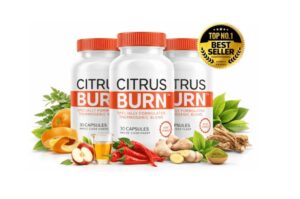
To maintain the standards of integrity we provide to our ‘5 Club’ members, we have verified the only system that meets our current criteria for bioflavonoid bioavailability.
Safety & Quality Standards
For the conscious UK consumer, safety is non-negotiable. This standardized citrus complex is a 100% natural formula, manufactured in certified facilities that adhere to the strictest standards of purity. This ensures a safe and efficient experience for your daily wellness routine.
📚 Scientific References: (Citrus Flavonoids & Metabolic Research)
Hesperidin and Metabolic Health (2021)
Study: “Hesperidin and its Aglycone, Hesperetin: Phytochemistry, Biological Activities, and Therapeutic Potential.”
Source: Journal of Agricultural and Food Chemistry.
Focus: Anti-inflammatory properties and systematic support for lipid metabolism.
Eriocitrin and Oxidative Stress (2019)
Study: “Eriocitrin Attenuates Diet-Induced Insulin Resistance and Hepatic Steatosis.”
Source: Journal of Functional Foods.
Focus: Analysis of lemon-derived flavonoids (eriocitrin) in enhancing insulin sensitivity.
Citrus Flavonoids and Longevity (2022)
Study: “Flavonoids as Nutraceuticals: A Review on their Role in Preventing Metabolic Syndrome.”
Source: Nutrients (MDPI).
Focus: The application of citrus polyphenols in the prevention of age-related metabolic disorders.
Microbiota and Flavonoids (2020)
Study: “Interactions between Citrus Flavonoids and Mice Gut Microbiome.”
Source: Frontiers in Nutrition.
Focus: Investigating the link between citrus fibres, flavonoids, and gastrointestinal health.
Clinical Trial on Bioavailability (2023)
Study: “Bioavailability of Citrus Flavonoids: A Review of Human Studies.”
Source: Molecules.
Focus: Clinical evidence of compound absorption and cellular delivery in human subjects.
Energy Expenditure (2018)
Study: “The Effects of Citrus Sp. on Weight Management and Metabolic Parameters.”
Source: International Journal of Food Sciences and Nutrition.
Focus: How citrus-derived compounds influence thermogenesis and metabolic energy expenditure.
Systemic Inflammation (2024 – Pre-print)
Study: “Plant-Based Polyphenols and the Mitigation of Chronic Inflammation in Aging Populations.”
Source: Annual Review of Food Science and Technology.
Focus: Recent research on maintaining biological youth through targeted phytonutrient diets.
Vascular Health (2020)
Study: “Citrus Flavonoids and Cardiovascular Health: From Clinical Evidence to Molecular Mechanisms.”
Source: Current Opinion in Clinical Nutrition & Metabolic Care.
Focus: Circulatory benefits and vascular integrity, essential for long-term vitality.

Editorial Office
Office 17451
182-184 High Street North
East Ham
London, E6 2JA
Phone number: +44 7888395857
© 2026 Citrus Reports.
Nature’s Ledger UK is a trading name of Citrus Reports.
All Rights Reserved.
Advertorial Disclaimer: The information on Nature’s Ledger UK is for educational purposes only and is not intended as medical advice. Always consult with a healthcare professional before starting any new exercise or supplement regime. Results may vary.
Nature’s Ledger UK is an independent health resource.